
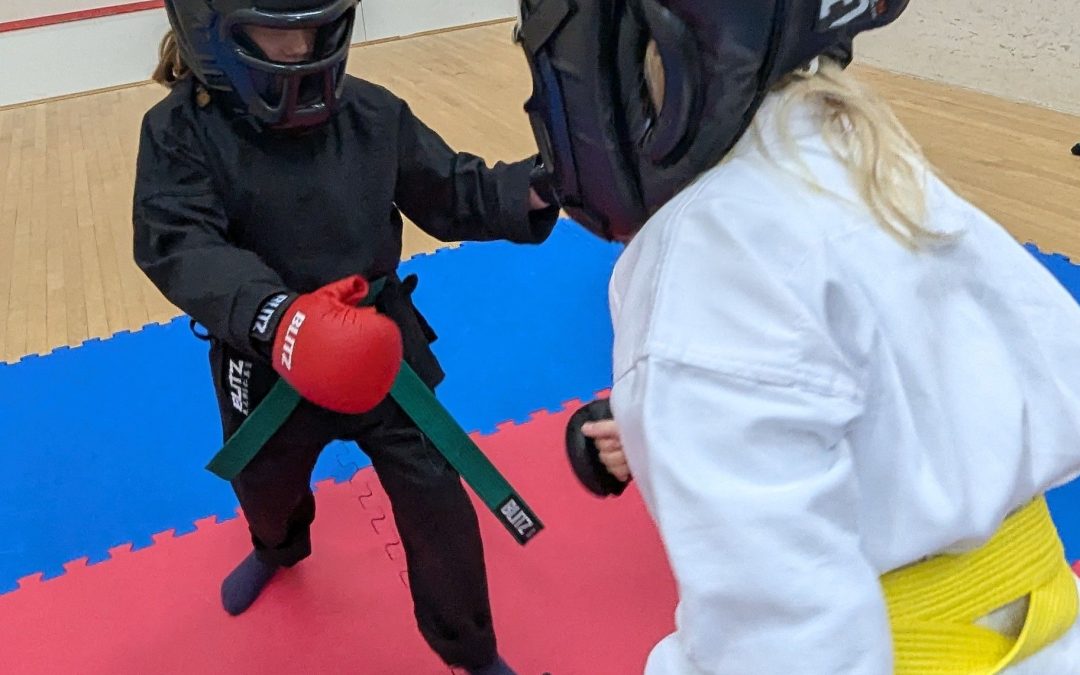
Karate Training in the UK: What Parents and Adults Should Look For
Karate is one of the most popular martial arts in the UK, taught in thousands of dojos across the country. However, not all karate training is equal, and choosing the right school can make a significant difference to safety, confidence, and real world usefulness.
Whether you are a parents considering karate for your child or an adult looking to start training, this guide explains what to look for when choosing karate training in the UK.
Is Karate Still Relevant in the UK Today?
Despite the growth of MMA and fitness-based combat sports, karate remains highly relevant in the UK. When taught properly, it offers:
-
Confidence and discipline
-
Physical fitness and coordination
-
Personal safety awareness
-
Emotional control and resilience
That said, karate’s effectiveness depends less on the style name and more on how it is taught and why.
The Different Types of Karate Schools in the UK
UK karate schools generally fall into one of three categories:
1. Traditional Karate Dojos
These focus on:
-
Structure and discipline
-
Kata, kihon, and controlled sparring
-
Long-term personal development
When run well, traditional dojos provide excellent foundations for both children and adults.
2. Sport and Competition Karate Clubs
These prioritise:
-
Point fighting and tournaments
-
Speed, timing, and athleticism
-
Competition success
Sport karate is valuable, but it should be clearly presented as sport, not self-defence.
3. Commercial or “Fast-Track” Schools Parents.
Be cautious of:
-
Guaranteed black belts
-
Rapid grading systems
-
High fees with little technical depth
In the UK, these schools are often focused more on retention than real skill development.
What Parents Should Look for in UK Karate Classes
If you are choosing karate for your child, safety and structure are essential.
A good UK children’s karate programme should emphasise:
-
Confidence, not aggression
-
Clear boundaries and respect
-
Anti-bullying awareness
-
Age-appropriate training
-
Strong safeguarding policies
Parents should feel comfortable watching a class and asking questions. Legitimate instructors will welcome transparency.
Karate for Adults in the UK
Adults training karate in the UK often want:
-
Practical self-defence
-
Improved fitness and mobility
-
Stress relief and mental clarity
Ask whether the dojo:
-
Teaches realistic personal safety skills
-
Addresses awareness and avoidance
-
Understands modern threats, not just sport rules
Karate should support long-term health and capability, not just short-term conditioning.
Traditional Karate vs Sport Karate in the UK
Understanding this difference is critical.
| Traditional Karate | Sport Karate |
|---|---|
| Focus on personal safety | Focus on competition |
| Practical applications | Rule-based techniques |
| Awareness and control | Speed and timing |
| Personal development | Athletic performance |
Neither approach is wrong, but they serve different goals. The issue arises when sport training is marketed as self-defence.
Questions to Ask a UK Karate Instructor Parents
Before joining any karate school in the UK, ask:
-
What is the main aim of your training?
-
How do you ensure child safeguarding and safety?
-
Do you teach practical self-defence as well as technique?
-
What is your instructor background and experience?
-
Can I observe or trial a class before committing?
An experienced instructor will answer clearly and honestly.
Warning Signs to Watch Out For Parents
Be cautious if a dojo:
-
Promises quick black belts
-
Avoids questions about safety
-
Focuses only on grading fees
-
Discourages parents from observing
Quality karate training in the UK is built on trust, patience, and integrity.
Karate training in the UK can be life-changing when taught with the right intent. The best dojos focus on character, capability, and safety, not just belts and badges.
Take your time, ask questions, and choose a school that aligns with your goals — whether that is confidence for your child or practical skill for yourself.
A Cautionary Tale: When Cheap Karate Costs Your Child More Than You Think
At first, it looked perfect.
The dojo was brightly lit, the uniforms were smart, and the instructor spoke confidently about discipline, confidence, and self-defence. There was even a special offer: “Join today and your child could be a black belt in just two years.”
For many parents, this sounds ideal.
But this is how many children end up training at what is commonly known as a McDojo — and why that decision can quietly do more harm than good.
The Promise That Feels Too Good to Be True
When Sarah enrolled her eight-year-old son, Jake, into a local karate school, she wasn’t looking for trophies or toughness. She wanted:
-
Confidence
-
Focus
-
Protection from bullying
The school promised all of that — quickly.
Gradings happened every few weeks. New belts came with certificates, photos, and extra fees. Jake was praised constantly, told he was “exceptional”, and promoted faster than any child Sarah had seen before.
It felt reassuring.
But none of it was real progress.
What Was Actually Being Taught?
As time went on, cracks began to show.
-
Classes were overcrowded
-
Individual correction was rare
-
Techniques were rushed and sloppy
-
No one explained why movements mattered
-
Sparring was either chaotic or completely avoided
Most worrying of all, self-defence was never pressure tested. Jake believed he could protect himself — but had never faced resistance, unpredictability, or stress.
He had confidence, but it was false confidence.
The Moment Everything Fell Apart
One afternoon at school, Jake was cornered by an older child. Remembering his karate training, he tried a move he’d practised dozens of times.
It didn’t work.
The other child wasn’t standing still. There were no rules, no pause, no instructor watching. Jake froze.
He wasn’t badly hurt — but something more damaging happened.
He stopped believing in himself.
The Hidden Danger of McDojos for parents
McDojos don’t just teach poor karate. They teach dangerous lessons:
-
That belts equal ability
-
That confidence doesn’t need competence
-
That real violence looks like controlled drills
-
That progress should be fast and easy
For children, this can lead to:
-
Overconfidence in unsafe situations
-
Confusion when techniques fail
-
Loss of trust in adults and instructors
-
Emotional setbacks after real-world encounters
In the UK, where parents rightly expect safeguarding, structure, and honesty, this is a serious issue.
Why Parents Are Often Misled
Most parents don’t choose a McDojo because they’re careless. They choose it because:
-
The marketing is polished
-
The language sounds reassuring
-
The school avoids uncomfortable truths
-
The child appears happy and praised
But constant praise without challenge doesn’t build resilience. It builds dependency.
What Quality Karate Looks Like Instead
A legitimate karate school will:
-
Progress children slowly and safely
-
Explain that self-defence is complex and contextual
-
Focus on awareness, avoidance, and behaviour
-
Encourage questions — from parents and children
-
Value skill development over belt colour
Most importantly, it will never sell confidence without competence.
A Question Every Parent Should Ask
Before enrolling your child, ask the instructor:
“What happens when a technique doesn’t work?”
If the answer is vague, defensive, or avoided entirely — walk away.
Real karate prepares children not just to move, but to think, adapt, and stay safe.
McDojos don’t always look dangerous. That’s what makes them risky.
They trade short-term reassurance for long-term consequences, and children pay the price — not with bruises, but with misplaced belief.
As a parent, you’re not just choosing an activity.
You’re choosing who your child learns trust, confidence, and safety from.
Never let your child train anywhere where you are not allowed to watch
Choose wisely.

Search this site
Unleash Your Full Martial Arts Potential Sign up to our Newsletter
Traditional Martial Arts World Online
World of Martial Arts
All rights reserved Traditional Martial Arts World 2023
Well-researched, well-written, and very useful. I’m grateful sites like this exist.